

With AUSTRAC’s AML/CTF regime expanding to cover accountants, tax agents, and other professional services, finding the right AML risk assessment tool has become a pressing priority. The regulations require you to identify, assess, and document money laundering and terrorism financing risks specific to your practice, and doing this manually or with spreadsheets simply won’t cut it when compliance audits come knocking.
The good news is that purpose-built tools exist to streamline this process. The challenge? Knowing which features actually matter for Australian regulatory requirements versus what’s just marketing fluff. You need something that integrates with your existing workflows, not another disconnected system that creates more admin work.
This guide breaks down what to look for in an AML risk assessment tool, how to evaluate your options against AUSTRAC’s expectations, and how platforms like StackGo can help you run identity verification and KYC checks directly from your current CRM, without the compliance headaches of juggling multiple systems.
Why AUSTRAC-ready risk assessments matter
AUSTRAC doesn’t issue warnings before conducting compliance reviews. When auditors arrive, your AML risk assessment becomes the first document they examine. Without a properly documented assessment that meets regulatory standards, you face penalties ranging from civil fines to potential criminal prosecution, regardless of whether any actual money laundering occurred through your practice.
What happens if you get it wrong
Getting your risk assessment wrong carries serious consequences beyond regulatory penalties. AUSTRAC can suspend your business operations while they investigate compliance failures, which means no new client onboarding and potential reputational damage that takes years to repair. Your professional indemnity insurance may also refuse to cover claims arising from AML/CTF breaches, leaving you personally liable.
The financial impact extends beyond fines. You’ll need to engage external consultants to remediate your compliance programme, conduct retrospective client reviews, and potentially report historical suspicious matters. These costs typically run into six figures for mid-sized firms, not counting the opportunity cost of diverted staff time and lost client confidence.
A generic risk assessment template downloaded from the internet won’t satisfy AUSTRAC’s expectations for a tailored, business-specific evaluation.
Beyond compliance: operational benefits
The right aml risk assessment tool doesn’t just tick regulatory boxes. It helps you identify which clients require enhanced due diligence before problems arise, streamlining your onboarding workflow and reducing the time spent on low-risk clients. This targeted approach means your compliance efforts focus where they actually matter, rather than applying blanket checks that slow down every transaction.
Proper risk assessment also protects your practice from inadvertently facilitating financial crime. By understanding your vulnerability points and implementing appropriate controls, you reduce the likelihood of being exploited by criminals seeking professional services to legitimise illicit funds. This proactive stance demonstrates to AUSTRAC that you take your gatekeeper obligations seriously.
What AUSTRAC expects from an AML risk assessment
AUSTRAC requires your risk assessment to identify and evaluate money laundering and terrorism financing threats specific to your business activities, not a generic assessment borrowed from industry templates. You must document how your services could potentially be exploited, considering factors like your client base, transaction types, delivery channels, and geographic exposure to high-risk jurisdictions.
Risk identification requirements
Your assessment needs to cover three distinct categories: customer risk (who you serve), product and service risk (what you offer), and delivery channel risk (how you interact with clients). AUSTRAC expects you to document specific scenarios where criminals might target your practice, such as using your trust accounts for layering illicit funds or exploiting your professional reputation to add legitimacy to suspicious transactions.
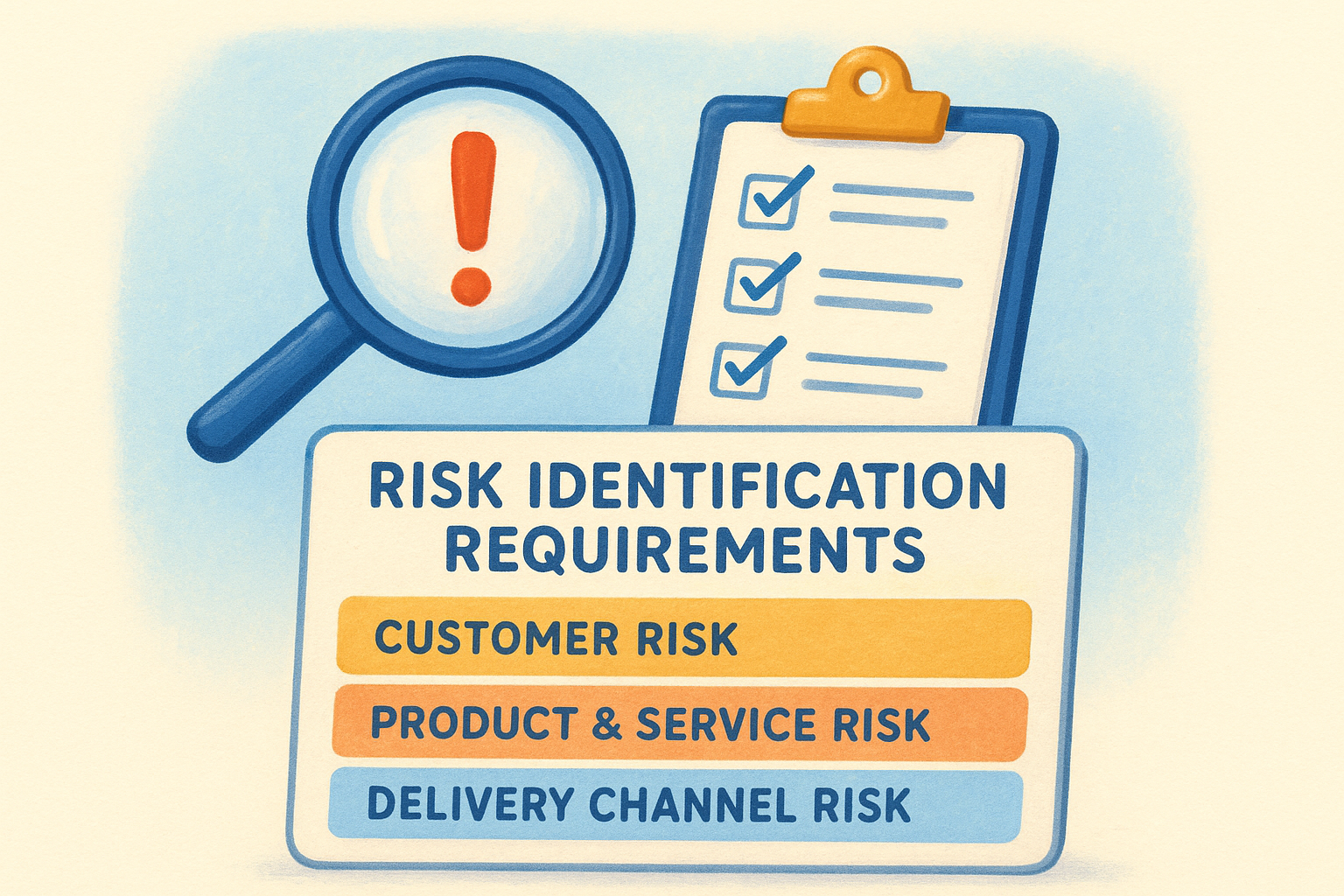
An effective aml risk assessment tool captures these scenarios systematically rather than relying on manual documentation that easily becomes outdated.
Documentation standards
AUSTRAC requires your risk assessment to be written, current, and accessible to staff responsible for AML/CTF compliance. You must update it whenever circumstances change, such as introducing new services, entering new markets, or when regulatory guidance evolves. The assessment should clearly link identified risks to the mitigation controls you’ve implemented, demonstrating how your procedures address each vulnerability.
What a good AML risk assessment tool should do
A good aml risk assessment tool automates the identification and categorisation of risks across your client base, services, and delivery channels. Instead of maintaining static spreadsheets that require manual updates every time circumstances change, the software should dynamically track your risk profile and flag when reassessment becomes necessary due to regulatory updates or business changes.
Core functionality
The tool needs to capture client-specific risk factors such as ownership structures, source of funds, and geographic exposure, then apply weighted scoring that aligns with AUSTRAC’s guidance. You should be able to generate reports showing how you arrived at each risk rating, providing the audit trail regulators expect during compliance reviews.
Automated risk scoring removes subjective guesswork whilst ensuring consistency across your entire client portfolio.
Integration capabilities
Your risk assessment tool must connect with your existing CRM and practice management systems, not operate as a standalone database that creates duplicate data entry. When client information updates in one system, the risk profile should automatically refresh, ensuring your assessment remains current without manual intervention. This integration prevents compliance gaps that emerge when staff forget to update multiple disconnected systems.
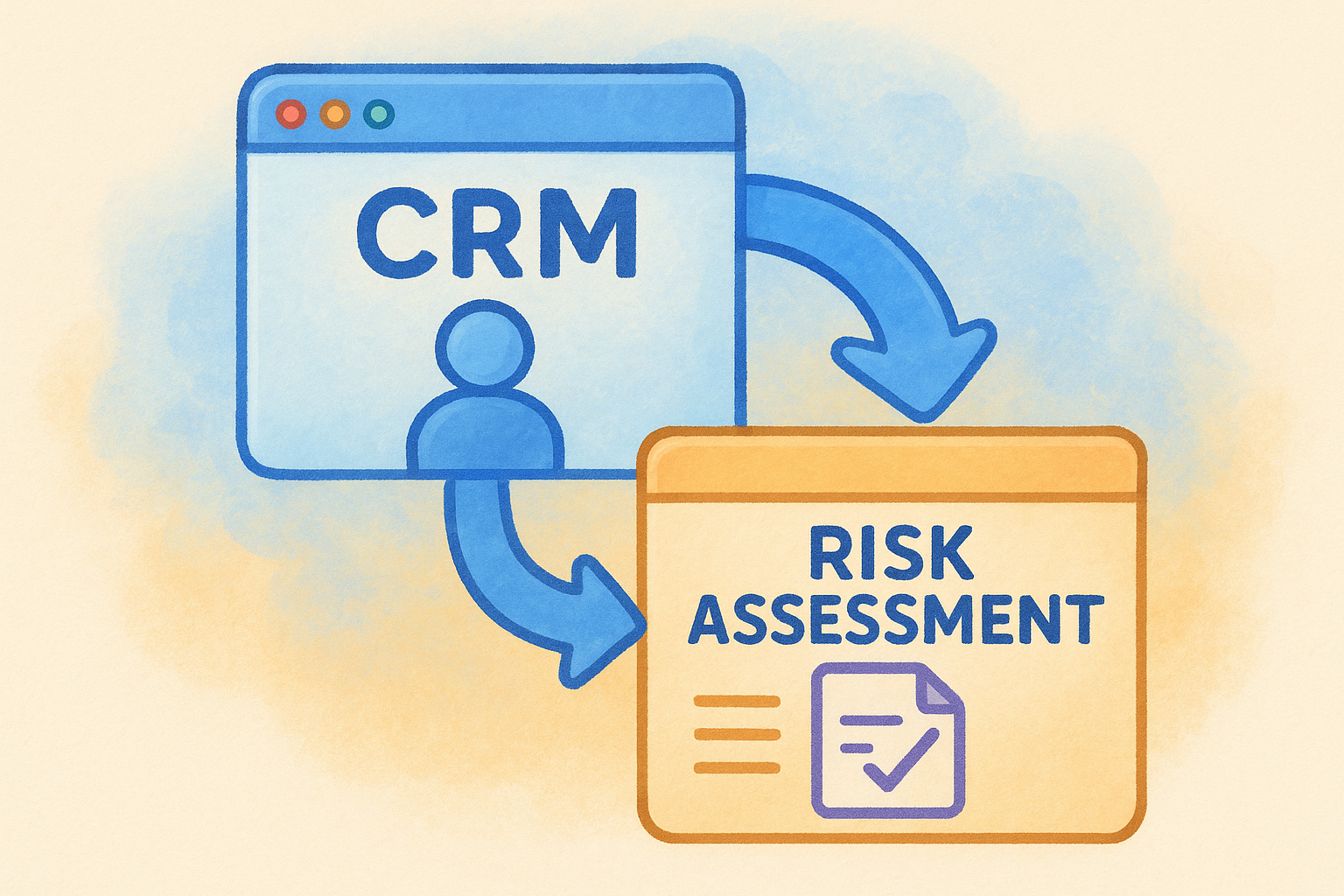
How to choose the right tool for your business
Start by evaluating whether the aml risk assessment tool handles AUSTRAC-specific requirements rather than generic international standards. You need software that understands Australian regulatory language, incorporates AUSTRAC guidance into its risk matrices, and generates reports formatted for Australian compliance officers. Tools built for US or European markets often miss nuances in our regime, creating gaps that become obvious during audits.
Start with regulatory requirements
Your chosen solution must accommodate the specific risk factors AUSTRAC considers material, including beneficial ownership transparency, politically exposed persons, and high-risk country exposure. Check whether the vendor updates their system when AUSTRAC releases new guidance, or whether you’ll need to manually reconfigure risk weightings every time regulations evolve. Software that relies on outdated compliance frameworks creates more work than it saves.
The right tool adapts to regulatory changes automatically, rather than requiring you to rebuild your risk assessment from scratch.
Match tool complexity to practice size
Sole practitioners don’t need the same enterprise-grade features as multi-office firms with hundreds of clients. Choose software scaled to your current client volume and transaction complexity, not what vendors claim you might eventually need. Overly complex systems frustrate staff and reduce compliance adoption, whilst under-featured tools force workarounds that undermine your risk management framework.
How to implement and keep it up to date
Implementing your aml risk assessment tool requires more than just purchasing software. You need to configure risk weightings based on your specific practice profile, import existing client data, and train staff on how the system operates. Start with a pilot group of clients to test your risk scoring logic before rolling out across your entire portfolio, allowing you to refine parameters without creating compliance gaps.
Initial configuration
Map your current client risk factors into the tool’s framework, ensuring you capture all elements AUSTRAC expects, including beneficial ownership structures, transaction patterns, and geographic exposure. Test the system against clients you already understand well to verify the risk ratings align with your professional judgement. Where automated scores seem incorrect, adjust the weighting algorithms rather than overriding individual assessments, which maintains consistency across your client base.
Configuration mistakes in your initial setup compound over time, making regular spot checks essential during the first three months.
Ongoing maintenance
Schedule quarterly reviews to verify your risk assessment remains current with AUSTRAC guidance and business changes. Assign specific staff members responsibility for monitoring regulatory updates and adjusting the tool’s parameters accordingly. When you add new services or enter different markets, you must update your risk scenarios within the tool before onboarding clients in those areas.
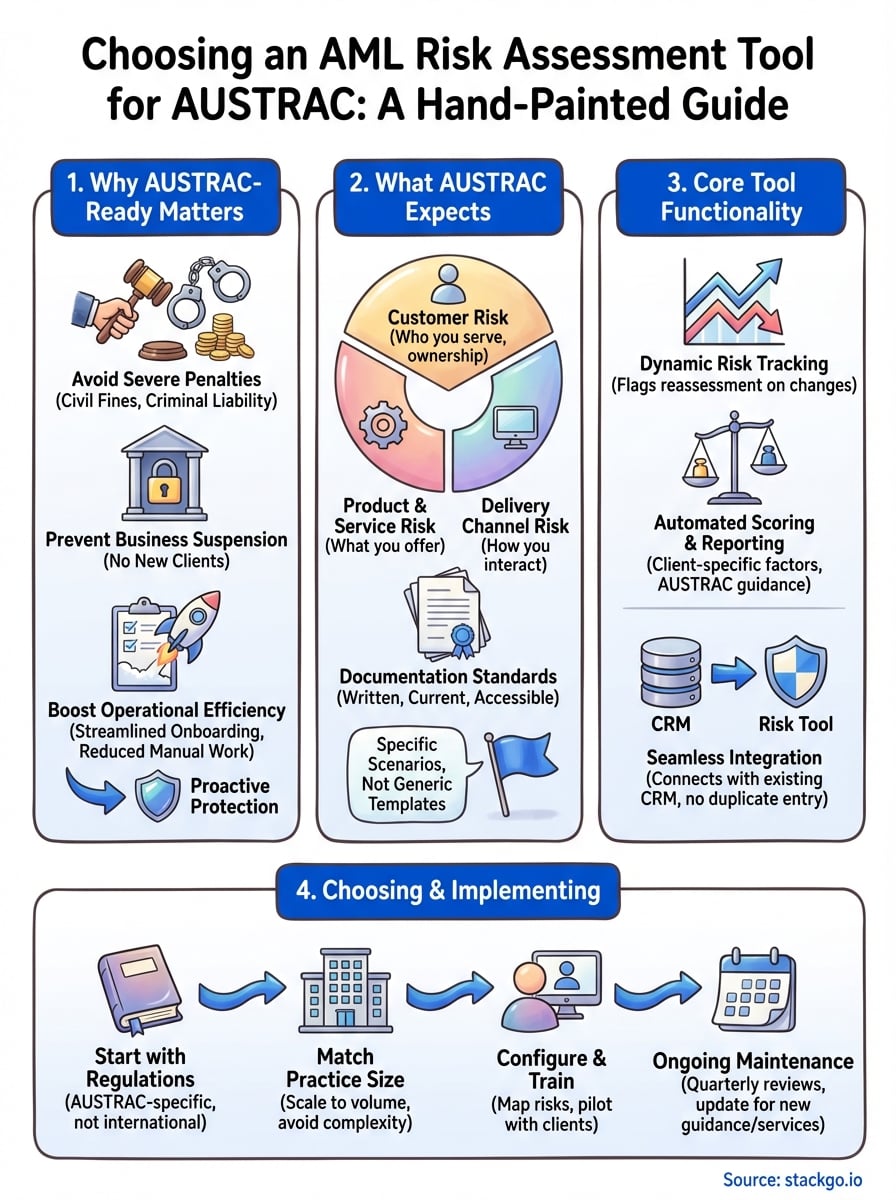
Where to go from here
Choosing the right aml risk assessment tool determines whether compliance becomes a manageable part of your workflow or a constant source of stress and administrative burden. You’ve seen what AUSTRAC expects, how to evaluate software options, and the importance of integration with your existing systems rather than adopting standalone compliance platforms that create duplicate work.
StackGo’s IdentityCheck lets you run AUSTRAC Tranche 2 compliance directly from your CRM, combining identity verification with risk assessment workflows inside the software you already use daily. You avoid the overhead of learning new systems whilst maintaining the documentation standards AUSTRAC requires during compliance reviews.
The regulatory deadline isn’t moving, but getting your compliance infrastructure right takes time. Start with the fundamentals covered in this guide, test your chosen solution against real client scenarios, and ensure your risk assessment framework operates smoothly before you need it for audit purposes.


